
Tokoh Adat Sebyar Kritik Komentar Novel Baswedan soal Film Pesta Babi
What Happened During: Tokoh Adat Sebyar Kritik Komentar Novel Baswedan soal Film Pesta Babi
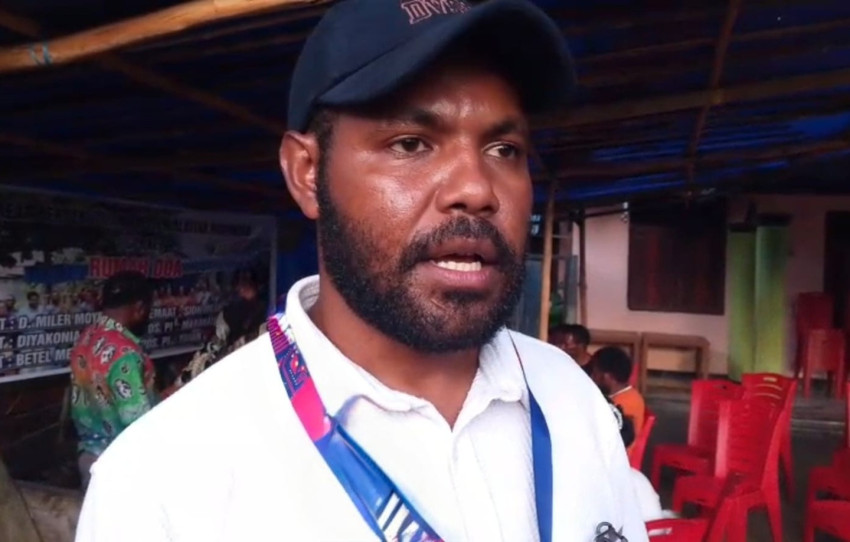
Beritasosial.com – The release of the documentary film *Pesta Babi: Kolonialisme di Zaman Kita* became a topic of heated debate after Novel Baswedan, a prominent figure in the Indonesian justice system, expressed his views on the film’s portrayal of Papua. Tokoh adat Sebyar Malkin Kosepa, a respected traditional leader, criticized Baswedan’s comments, arguing that the narrative could deepen existing divisions among the local communities and create a one-sided perception of the region’s situation.
Sebyar Malkin Kosepa emphasized the importance of balanced storytelling in shaping public opinion. He stated that Papua’s current focus is on fostering stability, promoting development, and building mutual trust through dialogue and community empowerment. According to him, Baswedan’s interpretation of the film might have overlooked the complexities of the region’s social and political landscape, potentially fueling tensions and misconceptions.
“Kami merasa bingung dengan perspektif yang disampaikan oleh Novel Baswedan terhadap film tersebut,” ujar Malkin. Ia menegaskan bahwa sebagai tokoh publik yang juga terlibat dalam ASN Polri, Baswedan seharusnya lebih objektif dan cermat dalam melihat situasi Papua, daripada menciptakan opini yang memperparah ketegangan. “Apalagi film ini mencerminkan kritik terhadap kolonialisme, yang sebenarnya menjadi pusat perdebatan di masyarakat adat.”
Sebyar’s critique highlights the cultural significance of the film and its potential to influence public sentiment. The documentary, which explores historical and contemporary issues of colonialism in Papua, has sparked discussions about identity, autonomy, and the role of media in shaping narratives. However, the traditional leader argued that Baswedan’s comments risked overshadowing the film’s broader message by focusing solely on its perceived negative aspects.
Pembubaran Nobar Film Pesta Babi Dikritisi Legislator PDIP: Pembungkaman Kebebasan Berekspresi
Meanwhile, the cancellation of the nobar (nonton bareng) event for *Pesta Babi* also drew criticism from a legislator of the PDIP party. This legislator viewed the decision as an act of suppressing freedom of expression, arguing that it restricted the public’s right to engage in open discourse about the film’s content. The event, which was originally planned to foster collective discussion, became a symbol of growing concerns over the control of information in Papua.
What Happened During the cancellation of the nobar event revealed the intersection of cultural sensitivity and political influence. The legislator pointed out that such actions could marginalize diverse voices and create an environment where only specific narratives are allowed to dominate. This criticism aligns with broader debates about the role of media and public figures in shaping perceptions of Papua, especially in light of ongoing tensions between the local population and the central government.
What Happened During the release of *Pesta Babi* has not only ignited conversations among traditional leaders and legislators but also raised questions about the film’s impact on societal cohesion. The documentary’s themes of colonialism and indigenous resistance have resonated deeply with many, yet its interpretation by figures like Baswedan has been met with both support and skepticism. Critics argue that the film’s message is often simplified or distorted to serve political agendas, which can affect how the public understands Papua’s history and current challenges.
Sebyar Malkin Kosepa, in his critique, stressed the need for a nuanced approach to discussing the film’s content. He noted that while the film highlights the struggles of the Papuan people, it is essential to present a comprehensive view that includes both the historical context and the present-day efforts toward reconciliation. This balance, he argued, is crucial for avoiding misunderstandings and ensuring that the narrative reflects the true complexity of Papua’s situation.
What Happened During the events surrounding *Pesta Babi* underscores the power of media in shaping public discourse. The film has become a focal point for debates on identity, governance, and the legacy of colonial rule. As such, the reactions from figures like Sebyar and the PDIP legislator highlight the broader implications of how such content is received and interpreted by different segments of society. These discussions are not merely academic but have real-world consequences for the perception of Papua and its people.