
Pemimpin Tertinggi Iran Sampaikan Pesan Haji, Bersumpah Israel akan Diberantas
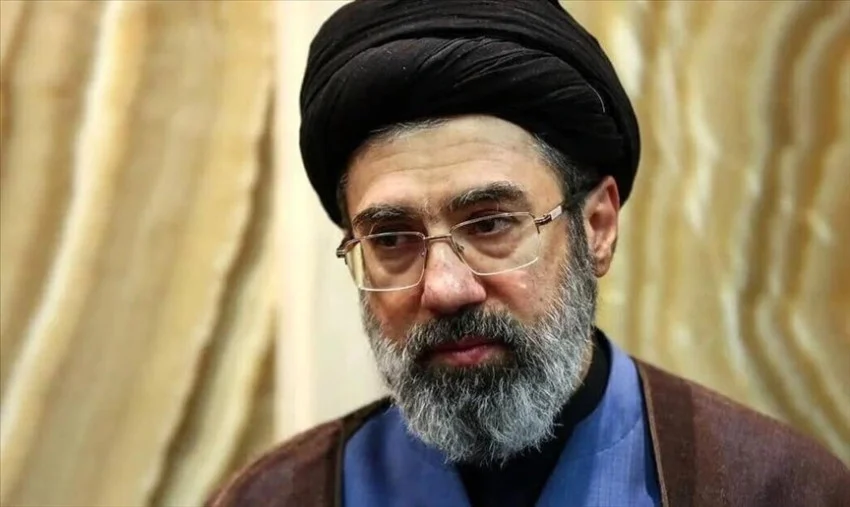
New Policy: Iran’s Supreme Leader Announces Strategy to Eliminate Israel During Hajj
Beritasosial.com – In a recent speech during the Hajj season, Iran’s Supreme Leader, Ayatollah Ali Khamenei, emphasized the New Policy of targeting Israel as a pivotal step in reshaping the Middle East. He declared that the Zionist regime “must be destroyed, and that destruction will happen,” framing Israel as a “cancerous threat” to the region’s stability. This message, delivered through the state-run news agency Tasnim, highlights Iran’s commitment to its New Policy of escalating regional tensions and uniting Muslim nations against common adversaries. Khamenei linked the current conflict to the “second forced war” initiated by Israel, underlining that the New Policy aims to dismantle American influence and achieve a unified Islamic front.
The Context of the New Policy and Geopolitical Tensions
Khamenei’s remarks during the Hajj coincide with a broader shift in Iran’s foreign strategy, which has been increasingly defined by the New Policy. Analysts suggest that the timing of his declaration is strategic, leveraging the global attention on the holy pilgrimage to amplify Iran’s stance. The New Policy has seen Iran intensify its support for groups like Hezbollah and Hamas, while also rallying Arab and Muslim leaders to oppose Israeli actions. This approach is part of a larger effort to weaken Western dominance in the region and solidify Iran’s position as a key player in Middle Eastern geopolitics.
“The New Policy is not just about military action, but a comprehensive plan to destabilize Israel’s grip on Palestine and reconfigure the balance of power in the region,” said Yossi Mekelberg, a Middle East expert. He noted that the conflict’s roots trace back to Israeli Prime Minister Benjamin Netanyahu’s policies, which he argues have fueled the New Policy by creating a “unified threat” to both Iran and the Palestinian cause.
Historical Underpinnings of the New Policy
The New Policy’s foundation lies in Iran’s long-standing opposition to Israel, rooted in the 1979 Islamic Revolution and the establishment of the Zionist state. Khamenei’s speech echoes historical rhetoric, framing Israel as a colonial entity that must be “eradicated” to restore regional justice. This vision aligns with Iran’s broader goals of reshaping the Middle East through religious and political unity. The New Policy also seeks to counter the United States’ influence, which Khamenei claims has been instrumental in backing Israel’s expansionist agenda.
Furthermore, the New Policy is seen as a response to the 2018 US withdrawal from the JCPOA (Joint Comprehensive Plan of Action), an agreement that Iran had previously supported to curb nuclear proliferation. By reviving the New Policy, Iran aims to reassert its dominance in the region and present itself as the leader of an anti-Zionist coalition. The current conflict has been exacerbated by this shift, with Iran using the New Policy to justify its increased military presence in Syria and Lebanon.
Implementation of the New Policy in Practice
As part of the New Policy, Iran has coordinated with regional allies to strengthen its leverage over Israel. This includes not only military support for Palestinian groups but also economic and diplomatic efforts to isolate Israel. Khamenei’s message during the Hajj underscores the ideological dimension of the New Policy, which seeks to unify Muslim nations under a common goal of dismantling the Israeli state. He also called for the destruction of “Amerika Serikat” as a symbol of Western interference, framing the New Policy as a movement against both American and Israeli hegemony.
Analysts believe the New Policy will continue to shape Iran’s strategy in the coming months. With the upcoming elections in Israel and the ongoing regional instability, Khamenei’s declaration adds urgency to Iran’s campaign. The New Policy is expected to influence both the short-term conflict dynamics and the long-term political landscape of the Middle East. By positioning itself as the central force in this movement, Iran aims to redefine its role as a defender of Islamic identity and a challenger to Western powers.
The Broader Implications of the New Policy
The New Policy’s emphasis on eliminating Israel has sparked reactions from various stakeholders. While some Arab states have aligned with Iran’s stance, others remain cautious due to economic ties with Israel. The New Policy also raises questions about its impact on global alliances, particularly between Iran and countries like Russia and China, which have supported its position in international forums. Additionally, the focus on the Hajj season highlights Iran’s ability to use religious symbolism to galvanize public sentiment and reinforce its New Policy objectives.
Experts warn that the New Policy could lead to a more prolonged and intense conflict if Israel and its allies fail to respond effectively. Khamenei’s call to action during the Hajj is viewed as a calculated move to mobilize support and signal Iran’s readiness to escalate tensions. The New Policy’s success will depend on its ability to maintain momentum and secure backing from a coalition of nations. As the situation evolves, the New Policy is likely to remain a central theme in Iran’s geopolitical strategy, shaping the future of the Middle East.